
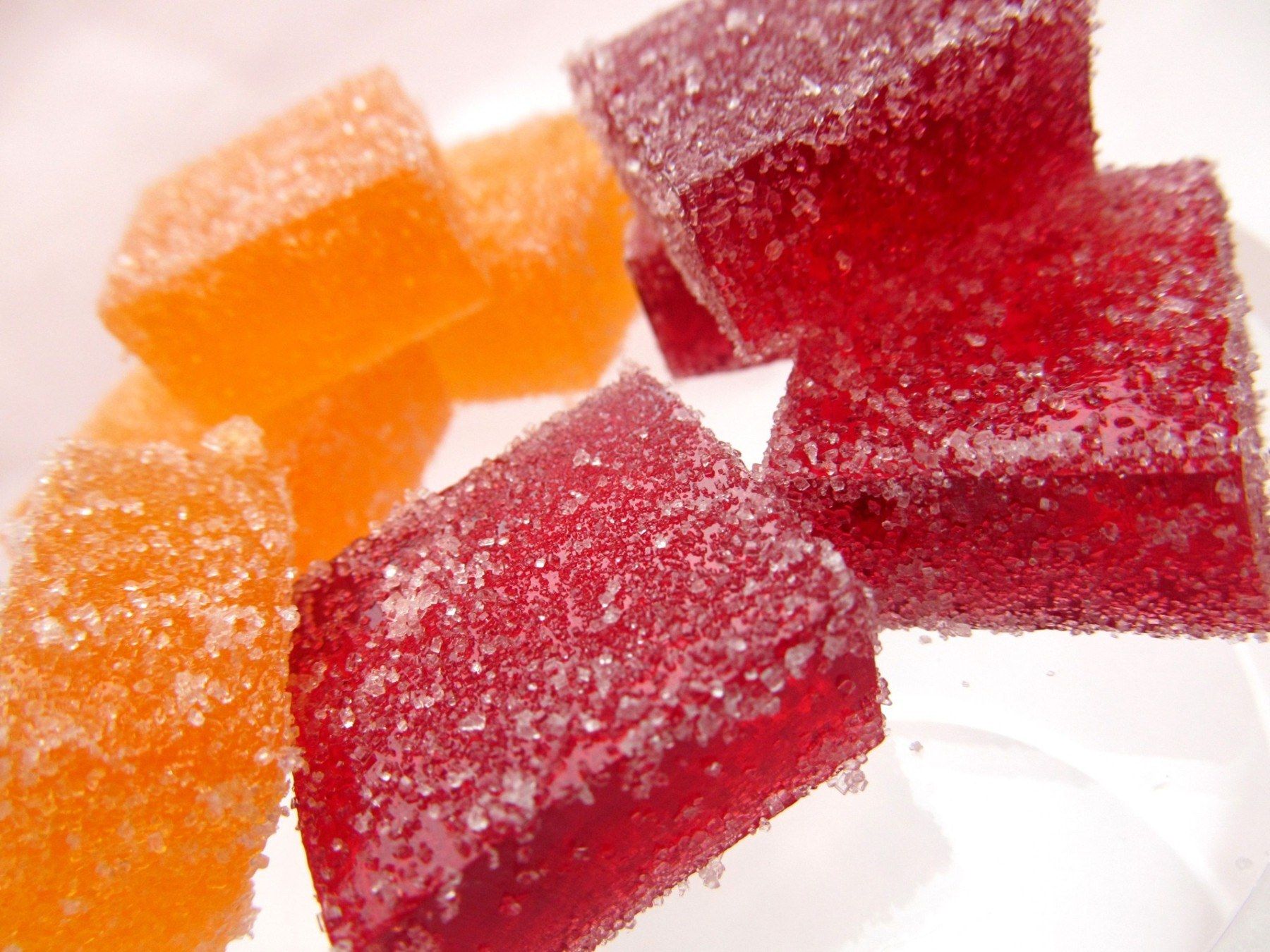
Agar sets faster, holds its shape at higher temperatures and comes from seaweed. Here is what to consider when replacing gelatin.
More and more food producers are replacing gelatin with plant-based alternatives. Agar, a natural hydrocolloid extracted from red seaweed, is one of the most effective options. But the two ingredients behave differently, and a successful switch starts from understanding those differences.
Origin
Gelatin is obtained from animal collagen. Agar is extracted from red seaweed, which makes it suitable for vegetarian and vegan products.
Gelling and melting
Agar dissolves in boiling water and forms firm gels on cooling, typically setting at 32–43 °C and melting only at 85–95 °C. Gelatin gels melt close to body temperature. This wide gap between setting and melting gives agar gels high thermal stability.
Dosage and texture
Agar forms gels at low concentrations. Its texture is firmer and shorter than gelatin; combining agar with other hydrocolloids or adjusting the grade helps achieve more elastic textures.
Processing
Standard agar needs to reach boiling temperature to dissolve. Pre-activated agar dissolves at 80 °C, for example during pasteurization, simplifying the switch on existing lines.
Where to start
Every recipe is different. Our technologists can help you select the right grade and dosage for your product. Request a sample.
Keep reading
BIVI stabilizing systems: twelve solutions, one approach
From yogurt and ice cream to sauces and meat products, our BIVI systems are developed around each application. A quick guide to the range.
Read more →
From seaweed to finished agar: inside our value chain
Seaweed sourcing and initial extraction in Vietnam, production and quality control in Italy. How we oversee every step of the agar value chain.
Read more →