Carrageenan

Carrageenan.The texture you need.
The formulation that works.

Carrageenan is a red seaweed extract used for gelling, thickening and stabilization across a range of applications. B&V develops tailored carrageenan systems to help optimize texture, processing performance and formulation cost.

E407
Carrageenan · Food additive

EU specifications are set out in Commission Regulation (EU) No 231/2012.

Tailored carrageenan solutions

Start with
your formulation.

Developing a new product or reviewing an existing stabilizing system? We start with the performance you need and the conditions your solution must work in.

01

Define the requirement

Share your target texture, ingredients, processing conditions and formulation cost objectives.
02

Develop the solution

We select carrageenan types, salts and complementary ingredients to develop a sample for your application.

03

Validate in your process

Test the sample in your formulation and production conditions. We review the results together and refine where needed.

B&V formulation expertise

Performance comes
from the whole formulation.

Carrageenan type, salts, proteins and processing conditions work together to determine gel structure, viscosity and stability. B&V helps optimize these interactions to meet your performance requirements and formulation cost targets.

Target
texture
Process
fit
Cost
optimization
Carrageenan applications

Texture and stability.
Across food applications.

Different products call for different structures, viscosities and stability requirements. Explore seven markets where carrageenan can play a functional role.
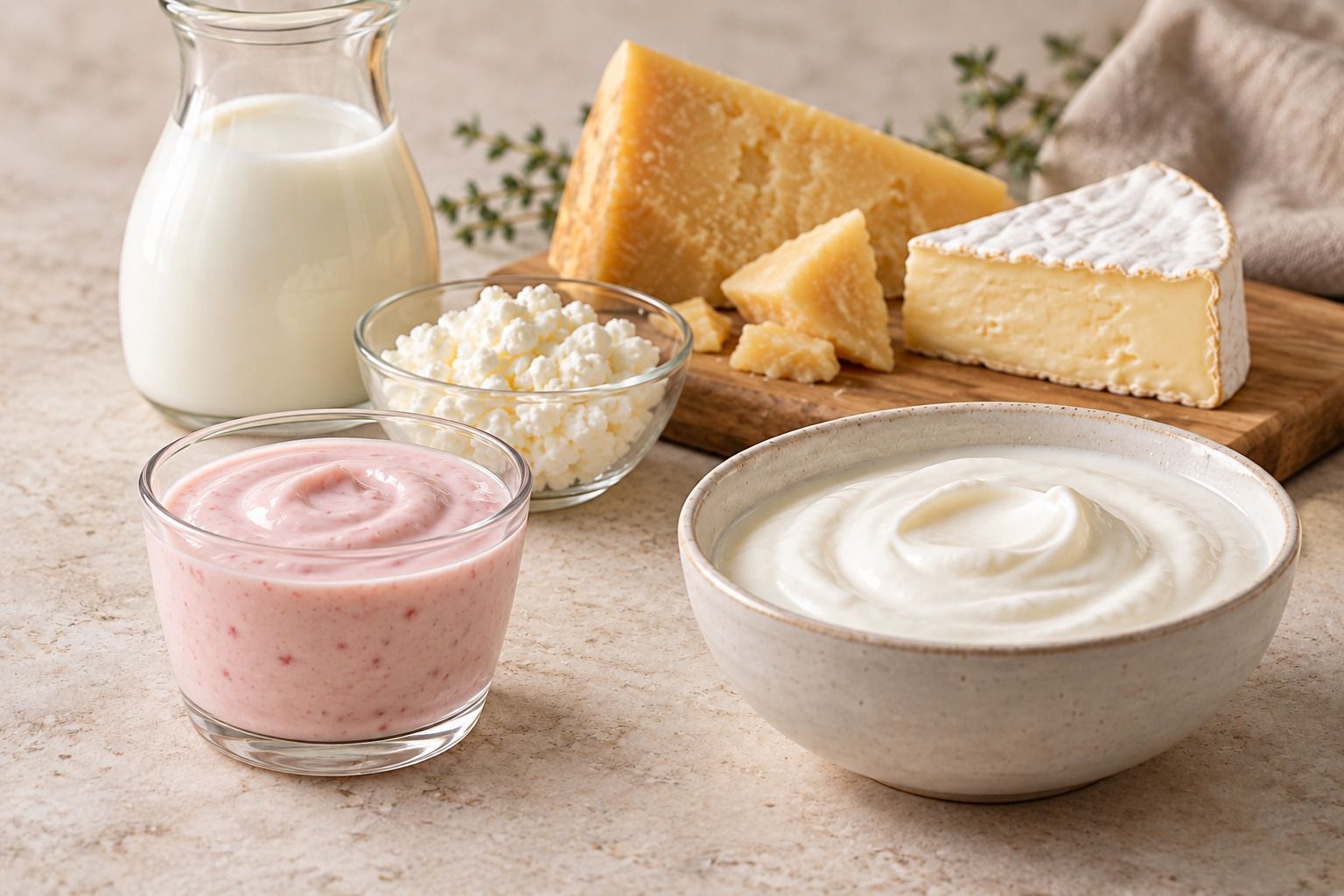
Milk, cheeses and plain and strawberry yogurt

Dairy products

Structure, mouthfeel & stability

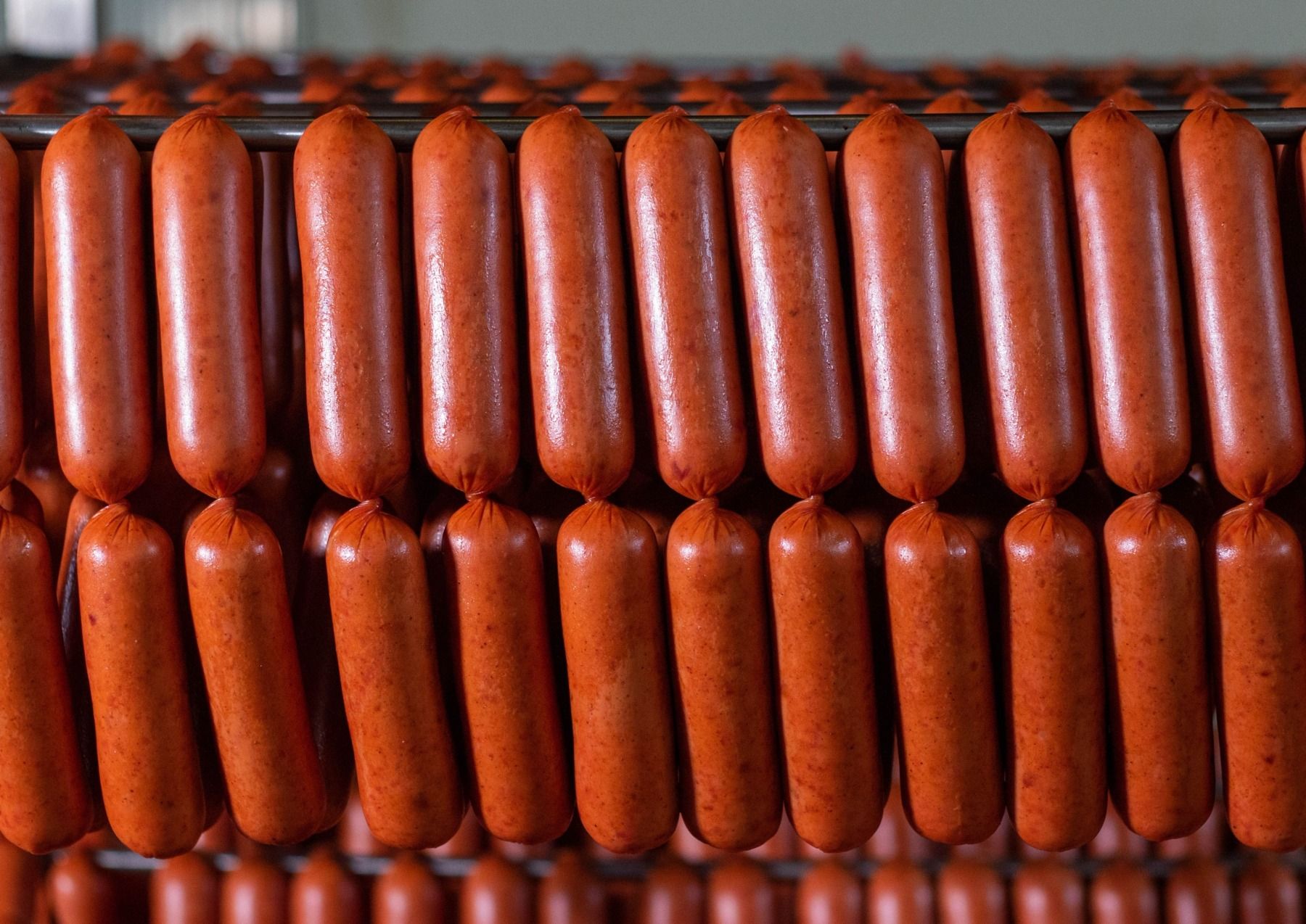
Rows of prepared sausage products

Meat and poultry products

Water retention & cohesion

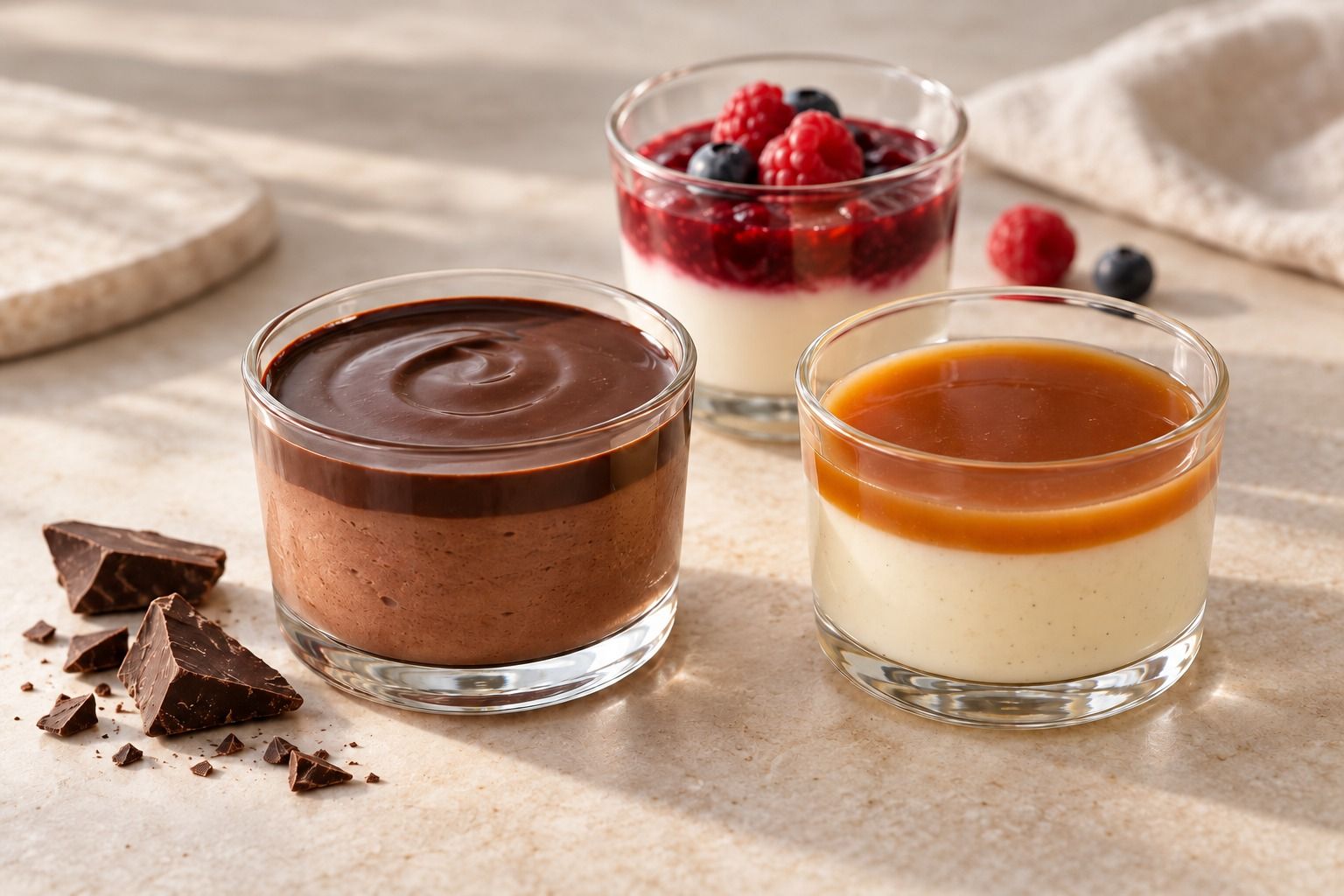
Chocolate, caramel and berry desserts in glasses

Desserts and confectionery products

Gel structure & texture

Burger with salad and cheese-style slice

Plant-based alternatives

Texture & consistency

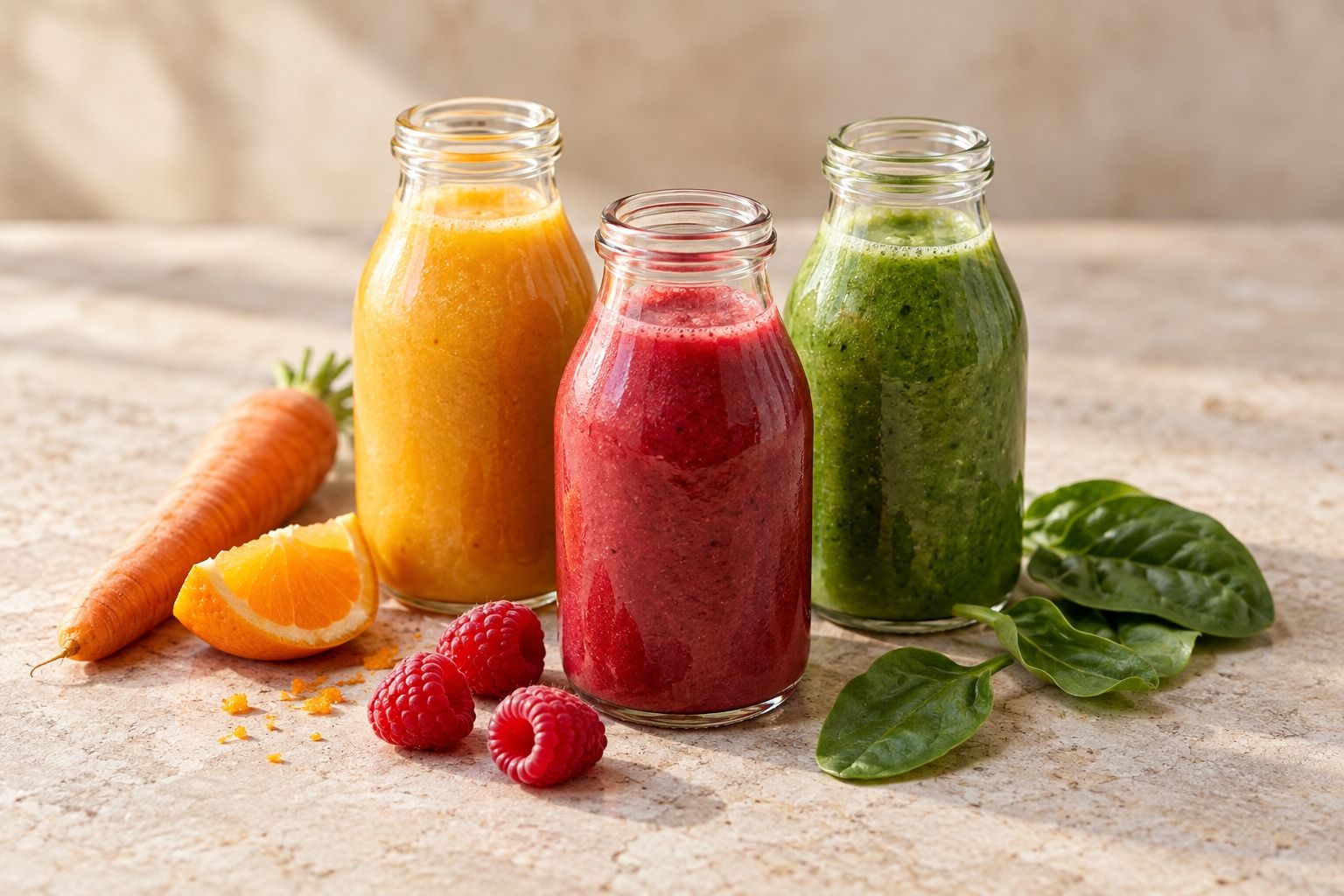
Three colorful fruit and vegetable drinks

Vegetable drinks

Suspension & stability

Dog and cat eating pet food

Pet food

Gel & gravy structure

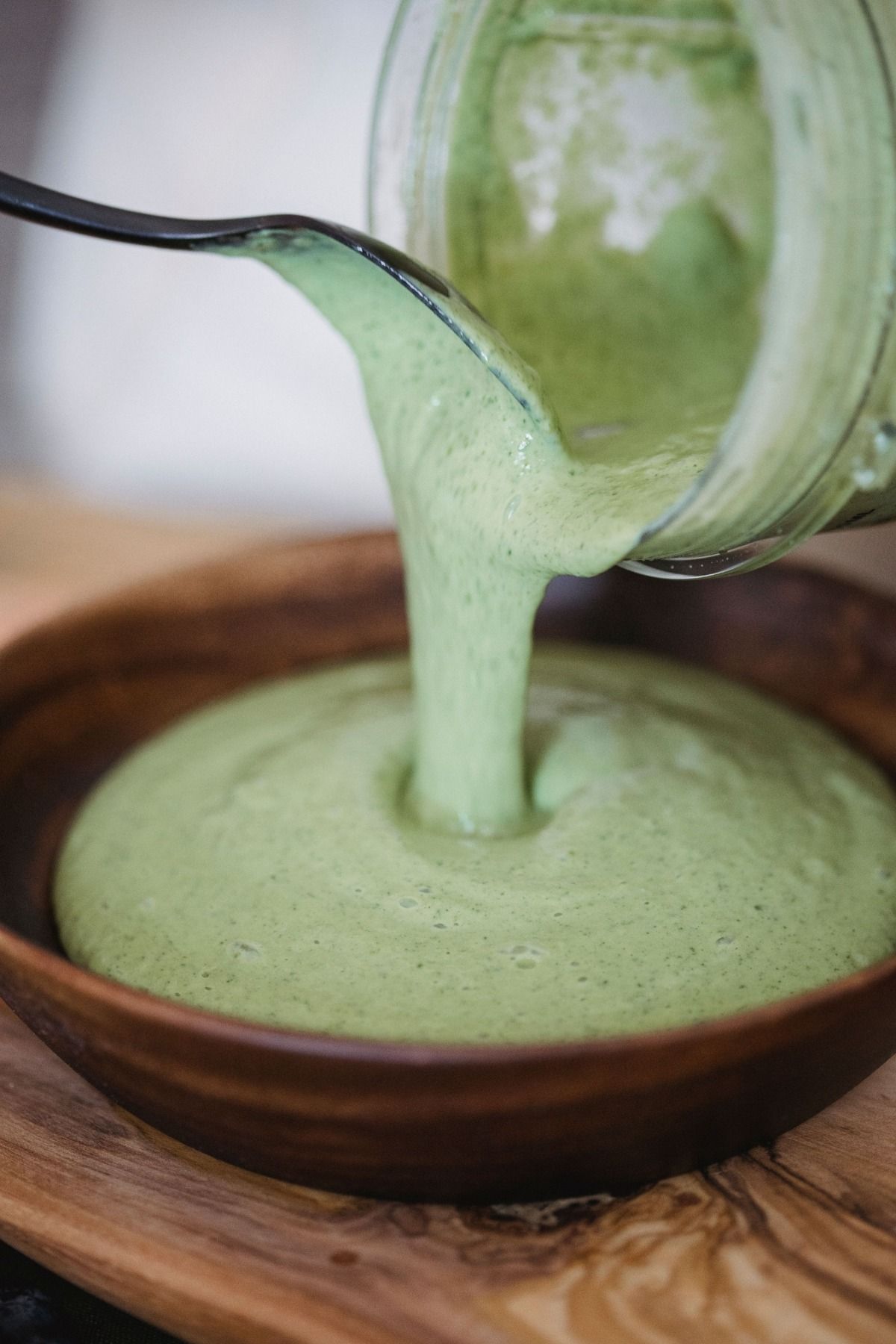
Green creamy sauce being poured into a bowl

Sauces, dressings and gravy

Viscosity & body

What is carrageenan?

The structure
behind the texture.

Carrageenan is a family of hydrocolloids extracted from red seaweed. Its three main types — Kappa, Iota and Lambda — have different structures and functional properties.

Selecting a grade means matching those properties to your formulation, ingredients and processing conditions.

Explore the three types.

Select a structure to see its behavior and typical applications.

Simplified repeating units · Sulfate substitution shown in red

Let’s work on
your formulation.

Tell us what your product needs to do. Our team will help assess a carrageenan solution for your formulation and process.

DISCUSS YOUR FORMULATION →
Carrageenan functionality

From structure to function.

The three main types differ in sulfate substitution and gelling behavior. Commercial grades can contain different proportions of these structures.

Kappa (κ)

Firm, brittle gels

Gel formation is promoted by potassium ions. Grades rich in Kappa typically produce compact, thermoreversible gels.

Typical applications

Dairy desserts, processed meat products and selected plant-based formulations.

Iota (ι)

Soft, elastic gels

Calcium ions promote the formation of soft, elastic gels. The selected grade and formulation determine the final structure.

Typical applications

Dairy desserts, meat products and wet pet food.

Lambda (λ)

Viscosity without gelation

Lambda acts as a thickener rather than a gelling agent, contributing body and viscosity in liquid systems.

Typical applications

Sauces, dressings, dairy beverages and other liquid formulations.

Application examples are indicative. Grade composition, salts, proteins, concentration and processing conditions influence performance.

Read the structural notation

G denotes a 3-linked β-D-galactose residue; D denotes a 4-linked α-D-galactose residue. DA denotes 3,6-anhydro-D-galactose. S indicates a sulfate group; the number identifies its position. These diagrams show idealized repeating units and omit stereochemistry and other substituents.